Puerto Vallarta Goes International: Flight Details You Need to Know About This Game-Changing Launch

If you still think airport updates are “just travel news,” you’re not paying attention.
Yesterday wasn’t routine. It was a milestone.
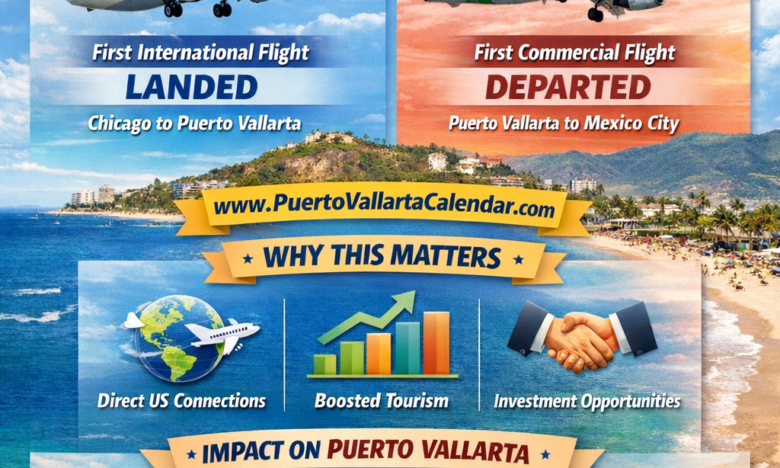
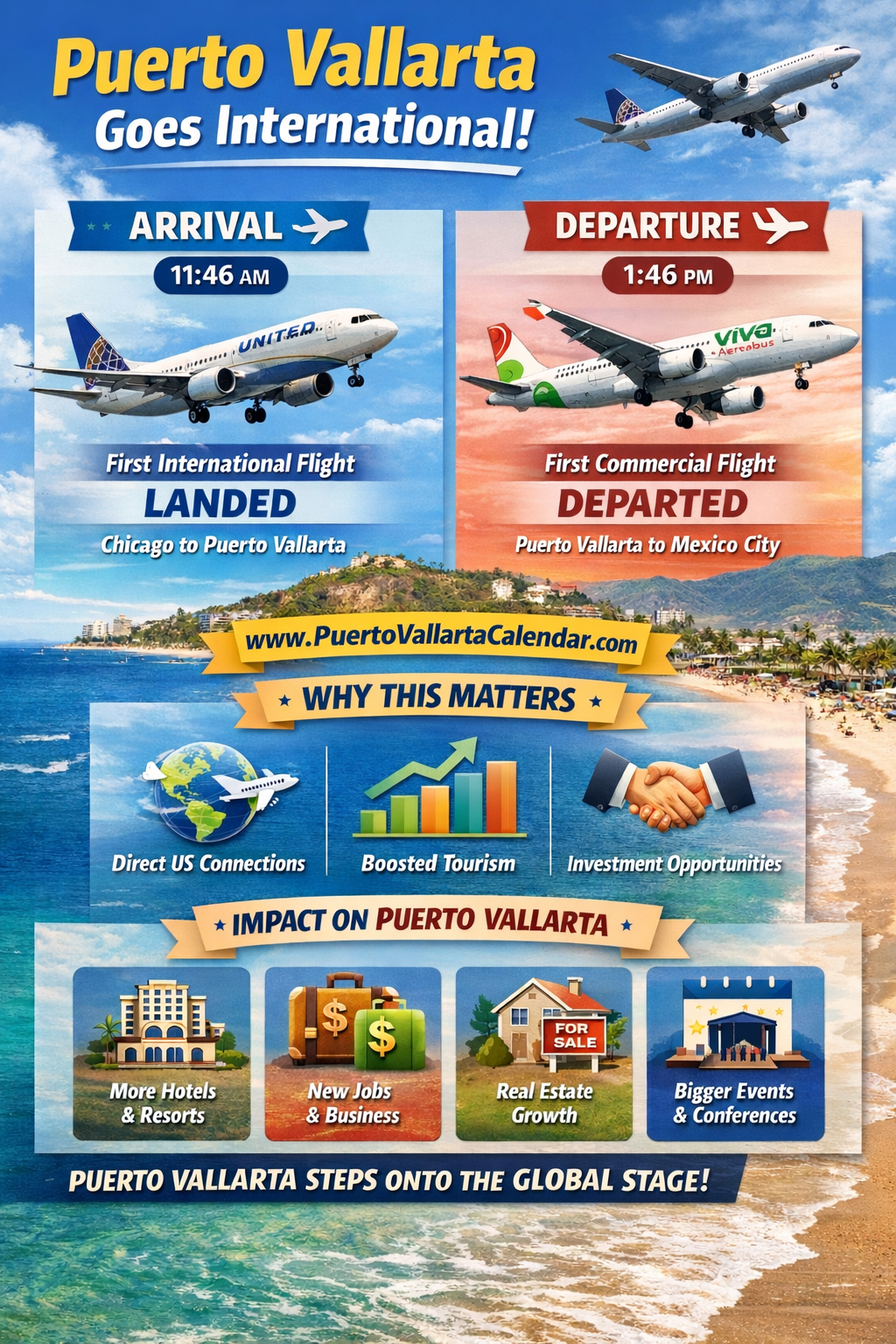
At exactly 11:46 a.m., the first international flight officially touched down at Puerto Vallarta International Airport. By 1:46 p.m., the first commercial outbound flight departed with Viva Airlines.
And with the arrival of United Airlines, Puerto Vallarta didn’t just add a route.
It upgraded its status.
Let’s break down what actually happened and why it matters more than most people realize.
The Arrival That Changes the Map
The inbound international flight arrived mid-morning, marking a major operational and economic moment for PV. This wasn’t a charter test run or a seasonal experiment. This was a structured, scheduled international service connecting Puerto Vallarta directly with major U.S. hubs.
United Airlines’ new service connects PV to key gateway cities, providing direct access for travelers from across the United States and beyond. That means:
Shorter travel times
Fewer layovers
More predictable schedules
Stronger year-round tourism flow
Direct connectivity is everything. Travelers don’t choose destinations based only on beauty. They choose based on convenience.
And now Puerto Vallarta just became easier to reach.
The First Commercial Departure
At 1:46 p.m., Viva Airlines marked the first official commercial departure under this new expansion phase.
That departure matters because airports are ecosystems. It’s not just about planes landing. It’s about arrivals and departures operating smoothly on day one. Customs processing. Ground handling. Turnaround efficiency. Coordination between airlines and airport management.
It worked.
Which means the infrastructure is ready.
Why United Airlines Entering PV Is Strategic
Let’s zoom out.
United Airlines doesn’t enter markets casually. Route planning is data-driven. Demand forecasting. Yield projections. Seasonal travel patterns. Competitive analysis.
When a global carrier adds service to Puerto Vallarta, it signals long-term demand strength.
And this isn’t just about tourists escaping winter. United’s network feeds from major cities like Chicago, Houston, Denver, Los Angeles, and Newark. That opens PV to business travelers, second-home buyers, remote workers, and investors.
It changes the demographic mix of who’s arriving.
More direct flights equal more predictable growth. And predictable growth is what businesses love.
What This Means for Tourism in 2026
Puerto Vallarta already ranks as one of Mexico’s most beloved beach destinations. But expanded international flight service increases capacity.
More seats. More frequency. More flexibility.
Hotels can forecast occupancy with greater confidence. Tour operators can plan inventory. Restaurants can anticipate demand.
And let’s be honest. When a destination is easier to get to, it gets chosen more often.
Air connectivity drives tourism growth. Period.
Economic Ripple Effects
You won’t see it overnight, but here’s what usually follows expanded international service:
Increased hotel development
New hospitality jobs
More real estate transactions
Rising short-term rental demand
Expanded event and conference hosting
Airports act like economic engines. Every international flight brings spending power into the region. Visitors don’t just land. They eat. They book tours. They shop. They invest.
More international flight routes mean more economic oxygen for the city.
The Bigger Picture for Puerto Vallarta
There are moments in a city’s timeline that divide it into “before” and “after.”
Before direct global carrier access.
After direct global carrier access.
This feels like one of those moments.
Puerto Vallarta is no longer just a beautiful Pacific Coast escape. It’s positioning itself as a fully connected international destination with reliable, scalable air service.
That attracts a different level of attention.
Investors watch connectivity. Developers watch air traffic growth. Entrepreneurs watch travel trends.
And right now, all three are looking at PV.
What Happens Next
This is step one.
Now comes route expansion. Potential frequency increases. Seasonal adjustments. New carrier interest. Possibly additional international markets beyond the United States.
If load factors remain strong, airlines add capacity. If demand spikes, new routes follow.
Growth compounds when supported by infrastructure and demand.
Puerto Vallarta now has both.
TL;DR
11:46 a.m. First international flight landed at Puerto Vallarta International Airport
1:46 p.m. First commercial departure left with Viva Airlines
United Airlines officially launched expanded international service
Direct connectivity boosts tourism, investment, and economic momentum
This wasn’t just another plane landing.
It was Puerto Vallarta stepping onto a larger stage.
And if you work in tourism, real estate, hospitality, or business development… you might want to start paying closer attention to those arrival boards.
Because this runway just became a growth corridor.
Written by The Media King – Will Walker | @WNWalker
#PuertoVallartaInternationalFlights, #UnitedAirlinesPuertoVallartaRoute, #VivaAirlinesMexicoDeparture, #PuertoVallartaAirportExpansion, #InternationalTravelToMexico2026, #PVATravelNewsUpdate, #MexicoTourismIndustryGrowth, #AirlineRouteExpansionLatinAmerica, #PuertoVallartaEconomicImpact, #DirectFlightsToPuertoVallarta, #MexicoAviationIndustryNews, #TravelAndTourismBusinessTrends, #HospitalityMarketPuertoVallarta, #EmergingTravelDestinationsMexico, #GlobalAirConnectivityExpansion